
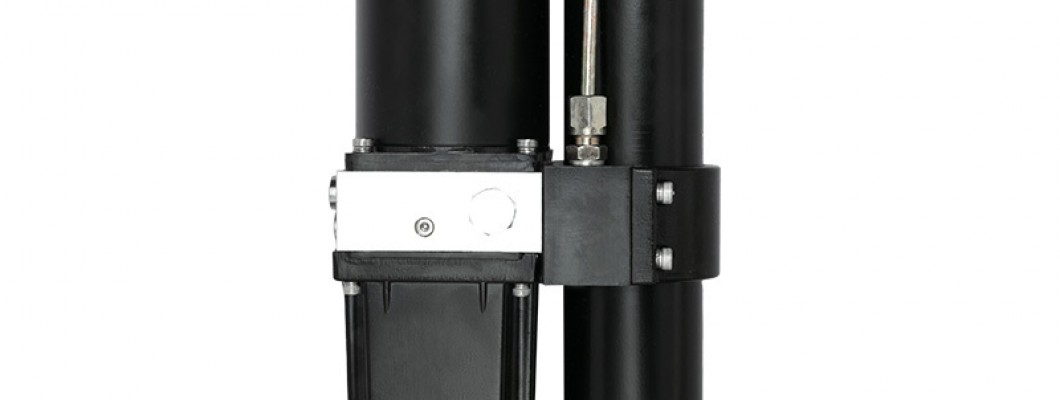
The long-term, stable operation and extended service life of hydraulic linear actuators depend on standardized and regular maintenance. Comprehensive maintenance activities focus on four core areas: thorough visual inspections, proper hydraulic fluid management, seal maintenance, and lubrication/anti-rust protection. These measures minimize equipment failures at the source, ensuring the linear actuators can continuously operate efficiently and safely.
I. Inspection of External Structure and Connection Points
Surface Condition Inspection
Before startup each day or before and after each work shift, operators must carefully examine the external surfaces of the piston rod and push rod, paying particular attention to signs of damage such as rust spots, scratches (shallow or deep), cracks, or deformation caused by impacts. In cases of mild rust, fine sandpaper may be used to remove the corrosion gently, immediately after sanding, apply specialized anti-rust grease to seal the surface against air and moisture, thereby preventing further rusting.
Fastener Tightness Check
Continuous vibration during equipment operation can cause fasteners, such as bolts and nuts, to loosen. Regular, individual inspections and tightening of all connecting fasteners are required to prevent loosening or detachment, which could lead to issues such as disconnected components, operational misalignment, abnormal noises, or mechanical binding.
Oil Leakage Inspection
Routinely inspect pipeline connections, seal grooves, and cylinder assembly joints for signs of oil stains, seepage, or dripping. If a leak is detected, shut down the hydraulic linear actuator immediately to identify the source, promptly replace any aged or damaged seals, and thoroughly resolve the leakage issue.
II. Precision Management and Control of Hydraulic Oil
Daily Oil Level Checks
Before starting the linear actuator for daily operations, always check the oil tank level to ensure the hydraulic oil remains between the upper and lower marks on the dipstick. An excessively low oil level can cause pump cavitation, insufficient oil pressure, and reduced equipment power; an excessively high level can increase pressure in the oil circuit, potentially leading to oil overflow or leakage.
Oil Quality Inspection and Replacement
Assess hydraulic oil quality through visual inspection and smell; high-quality oil is clear and transparent, with no unusual odors or impurities. If the oil appears black, cloudy, emulsified (separated), or contains sediment, or if it emits a pungent odor, it has deteriorated and requires a complete change. Under normal operating conditions, replace the hydraulic oil every 3~6 months; shorten the replacement interval for harsh operating environments characterized by heavy dust, high loads, or high humidity.
Oil Circuit Cleaning and Maintenance
Regularly clean the oil tank, filter elements, and oil supply lines to remove accumulated sludge, metal shavings, dust, and impurities. This prevents foreign matter from entering the hydraulic circulation system, which could otherwise cause pipeline blockages, internal component wear, or sticking/jerking of the push-rod mechanism.
III. Maintenance, Lubrication, and Rust Prevention for Seals
Inspection of Seal Condition
Regularly inspect the condition of all seals and gaskets. Promptly replace them with new parts if signs of aging, hardening, deformation, wear, or cracking appear.
Lubrication and Maintenance
Periodically apply suitable grease to the contact area between the piston rod and the guide sleeve to minimize frictional wear and reduce instances of sticking or abnormal noise.
Metal Rust Prevention
Regularly apply anti-rust grease to exposed metal components to shield them from moisture and dust-induced corrosion, thereby delaying rust and damage.
IV. Unit Cleaning and Environmental Protection
Dust and Dirt Removal
Promptly remove accumulated dust, mud, and oil stains from the surface of the linear actuator to prevent contaminants from entering the equipment through gaps and damaging core components.
Installation of Protective Devices
For hydraulic push rods located outdoors or in dusty environments, the installation of a protective cover is recommended to shield the unit from dust and rain, thereby reducing environmental wear and tear.
V. Recommendations for Preventive Maintenance
Quarterly Maintenance
Clean the hydraulic circuit filter element, check hydraulic oil quality, verify the operating stroke of the linear actuator, and identify potential minor faults.
Annual Maintenance
Thoroughly clean the entire hydraulic circuit system, comprehensively inspect all core components, and conduct performance tests on the machine.
Operational Guidelines
Do not operate the equipment under overload conditions for extended periods, reduce the operating load in harsh working environments, and strictly adhere to the manufacturer's schedule for replacing consumable parts.
Summary
Consistently inspecting the equipment's exterior and hydraulic oil condition, performing regular lubrication and seal replacements, and maintaining the cleanliness of the hydraulic system can significantly extend the service life of the hydraulic linear actuator and reduce the likelihood of downtime due to malfunctions. It is recommended to establish a comprehensive maintenance log to record details of all maintenance and repair activities; this facilitates ongoing management and ensures the implementation of full-lifecycle preventive maintenance.
Related Articles
Why a 12V Hydraulic Linear Actuator Is the Smart Choice for Compact High-Force Applications
Compact Electric Hydraulic Linear Actuators for Small Spaces | High Force & Precise Control
Leave a Comment